Wet Carpet, Dry Wallet: Hunting the Footwell Leak Before the Electrics Find It
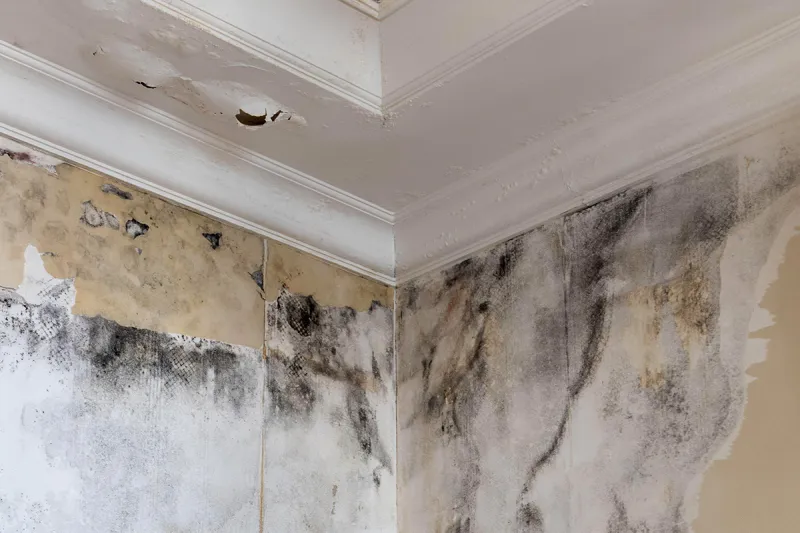
Photo: damp car footwell carpet water leak inspection torch, via omghcontent.affino.com
A damp passenger footwell is one of those problems that feels minor right up until it isn't. You notice it on a grey November morning: the mat is heavier than it should be, the carpet has a darker patch, and there is a faint whiff that is not quite coffee and not quite fresh air. In a UK autumn, that puddle is rarely a mystery spill. It is usually water with a route in, and the carpet is simply where the route ends.
The trouble is that the carpet is also where a lot of useful things live. Depending on the car, there are connectors, earth points, wiring looms, control modules and airbag-related gubbins tucked under or beside the trim. Water and electrics are not a sensible pairing. So the job is not to dry the mat and forget it; the job is to find the source before the damp has time to become an intermittent fault that no garage can recreate.
Read the evidence before you lift anything
Start with your nose and a torch. A sweet, syrupy smell that lingers after the heater has been on points towards coolant, which means the heater matrix deserves suspicion. A musty, wet-leaf smell is more typical of rainwater that has been sitting in the carpet for a while. If the screen goes greasy and refuses to clear properly, that can also hint at coolant vapour inside the cabin.
Look at the stain pattern. Clean water often leaves a faint tide mark around the edge of the damp patch. Coolant can leave a pinkish or orangey crust once it dries, though not always. If the carpet is wet only after rain, think body leak: scuttle, sunroof drains, door seals or windscreen seam. If it is wet after you have used the heater, the matrix moves up the list. If it is wet after air-conditioning use, the condensate drain is worth a look.
The fifteen-minute source-by-source route
You do not need to strip the interior to make progress. Work from the outside in, and keep a paper towel or kitchen roll handy so you can dab and compare.
1. The scuttle panel and its drains
Open the bonnet and look at the plastic panel below the windscreen. This is the scuttle, or plenum, area. Leaves, twigs and general autumn debris collect there, and the drain holes at either side can block quietly. When they do, rainwater backs up and can find its way into the heater intake or through bulkhead seams. Clear the debris by hand, then flush the drains gently with a little water from a jug. Do not attack them with a screwdriver or high-pressure air; the tubes and grommets are often softer than they look.
2. The sunroof drains
If your car has a sunroof, it has drains at the corners, even if you never open it. Open the roof and pour a small amount of water into the front drain channels. You should see it appear under the car near the front wheel arch or sill area. If it does not, the tube may be pinched or blocked. A length of trimmer line can sometimes persuade a blocked tube to clear, but be gentle. Forcing it can disconnect a tube that is tucked behind trim.
3. The heater matrix
Check the coolant level when the engine is cold. A slow loss with no obvious puddle under the bonnet is a warning sign. Look under the dash on the passenger side for dampness, staining or a faint crust around the heater pipes and matrix area. If the smell is sweet and the windscreen keeps fogging, stop guessing and get a garage to pressure-test the cooling system. A matrix is not a five-minute DIY swap on most modern cars.
4. Door seals, membranes and drain holes
Water can run past a tired door seal and into the footwell without leaving a dramatic trail. Check the rubber seal around the door aperture for splits, flattening or grit. Look at the bottom of the door itself: there are usually drain holes that clog with leaves and mud. Inside the door, behind the trim, a plastic moisture membrane can peel away, letting water onto the sill and then into the carpet. If the carpet is wet only after heavy rain and the door card feels damp at the bottom, this is a strong lead.
5. Windscreen seams and roof rails
A tiny gap in the sealant around the windscreen or along the roof rails can let water in during a long, wind-driven downpour. Look for lifted sealant, cracks or previous repair work. This is one for a bodyshop or auto-glazing specialist rather than a tube of bathroom sealant, which tends to make a mess and hide the evidence.
6. Air-conditioning condensate
On a dry day, run the air-conditioning and look under the car. There should be a small drip from the condensate drain. If the drain tube is blocked, that water can end up in the passenger footwell instead. It is often a simple tube to clear, but access varies wildly from car to car.
What not to do
Do not simply lay newspaper over the carpet and carry on. That hides the problem and gives corrosion a head start. Avoid blasting the area with a hot hairdryer, especially around wiring and connectors; warm, damp air is not the same as dry air. Do not pull up carpets or sill trim unless you know how the clips work, and do not start sealing random holes before you have found the actual source. A silicone bodge around the wrong seam can trap water somewhere worse.
If the carpet is properly wet, dry the car with the windows down on a dry day, use a dehumidifier if you have one, and check the area again after the next rain. A car that stays dry after a proper soaking has probably had its source sorted.
Why waiting until spring is a false economy
A blocked drain or a perished seal can often be sorted for the price of a trim tool and an hour of your time. Water sitting under the carpet is a different matter. It keeps the connectors damp, encourages green corrosion on terminals, and can lead to odd electrical behaviour: lights that flicker, a central locking system with a mind of its own, or a warning light that comes and goes. By the time a garage is chasing an intermittent fault through a damp loom, the cheap drain rod has become diagnostic time and labour.
So treat a damp footwell as a message, not an inconvenience. Find where the water is getting in, fix that route, and dry the carpet properly. Your wiring will thank you, even if it never says so.