The Boot Is Not a Storage Unit: Clearing the Weight You're Paying For
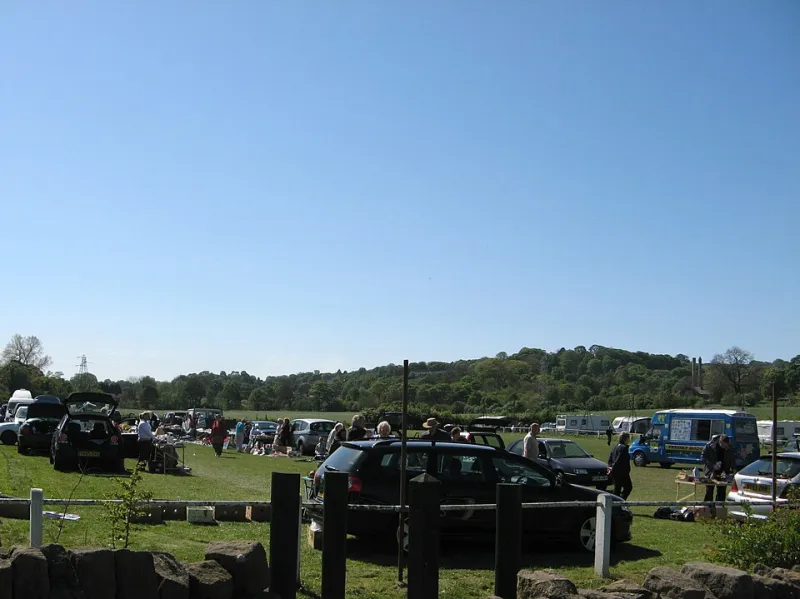
Photo: Stephen Armstrong , CC BY-SA 2.0, via Wikimedia Commons
Every UK boot has a second life as a shed. There is a reusable bag from a supermarket you no longer shop at, a bottle of screenwash rolling around under the spare wheel, a pair of wellies that have been there since a festival, and a toolbox that weighs more than the dog. It feels harmless because it is out of sight. It is not harmless. Extra weight costs fuel, stretches braking distances and turns loose objects into projectiles. The boot is not a storage unit; it is part of the car.
The boot as a shed
We are all guilty of it. The boot becomes the place where things go to be forgotten: jump leads, a half-empty bottle of oil, a folding chair, three bags for life and a golf umbrella that has never been used in anger. None of it seems heavy on its own. Together it adds up to tens of kilograms that you are hauling around every mile. The car does not know the difference between a passenger and a box of old magazines. It just knows the weight.
Weight is not free
More weight means more fuel burned to get moving, more heat in the brakes when you stop, and more load on the tyres and suspension. You will not notice it on one trip to the tip, but you will notice it over a winter of short journeys. The official fuel figures are measured with a test weight, not with your entire boot full of clobber. If you want to improve economy without changing your driving style, start by taking out the things you do not need. It is the cheapest modification going.
The projectile problem
This is the serious bit. In a sudden stop, a loose object keeps moving at the speed you were doing. A tool bag, a bottle, a laptop or a heavy shopping bag can become a missile that hits the back of a seat or a passenger. The same goes for a dog crate that is not secured, or a winter coat draped over the parcel shelf. The fix is simple: secure the heavy stuff, put small items in a closed box or bag, and use the boot's tie-down points if it has them. If you would not put it on the back seat unsecured, do not leave it loose in the boot.
What actually earns a permanent spot
A sensible winter kit is worth its weight: a torch, a high-vis vest, a warm blanket, a scraper, a small bottle of screenwash, a power bank and a basic first-aid kit. Keep it in one bag or a shallow box so it does not slide around. A warning triangle is useful if you travel abroad, but check the rules for the country you are visiting. What does not earn a permanent spot is the entire contents of your shed, the golf clubs you use twice a year, or the bag of clothes for the charity shop that has been in there since October.
The five-minute driveway clear-out
Start by emptying the boot completely. Yes, completely. Sort everything into three piles: keep in the car, return to the house, and bin or donate. Wipe the boot floor, check the spare wheel well for damp, and put back only the winter kit and anything you genuinely use every week. If you need to carry tools for work, secure them in a closed box and strap it down. The whole job takes less time than a kettle boil and a scroll through your phone.
A firm but fair rule
If you have not used it in a month, it does not live in the car. If it is heavy and loose, it gets secured. If it is there because you might need it one day, ask yourself whether that day is worth the fuel and the risk. A lighter boot is a quieter, cheaper and safer boot. CareCars is not asking you to live like a monk, just to stop treating the car as a spare room. Your suspension, your wallet and your passengers will thank you.