Steam, Shatter, Sorry: The Cold-Morning Habit That Can Split Your Glass
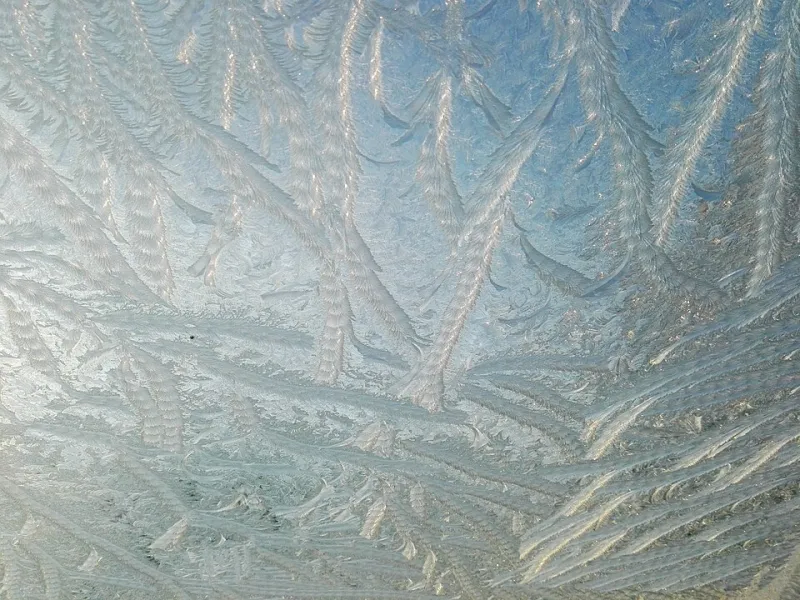
Photo: old_s, CC0, via Wikimedia Commons
There's a certain driveway bravado that appears on the first properly frosty morning of the year. Someone emerges from the house with a kettle, gives the windscreen a confident splash, and watches the ice slide away. It looks brilliant. It feels efficient. And occasionally, it ends with a sharp crack and a phone call to the insurer.
That's not to say every kettle of hot water will destroy your glass. Plenty of people have done it for years without drama. But that's the nature of a gamble: the fact it has paid off before doesn't make it a sensible routine. A windscreen is an expensive thing to test with boiling water, especially when the morning is already doing its best to stress the glass.
What thermal shock actually means
Glass is tough, but it doesn't enjoy being asked to do two very different jobs at once. When hot water hits a cold windscreen, the surface of the glass heats up and tries to expand. The rest of the glass, still cold, stays where it is. That difference creates stress inside the material.
In plain English, you're giving one side of the glass a sudden warm hug while the other side is still in the deep freeze. If the glass is flawless, it may cope. If there's a tiny chip, a hairline crack, or a weak spot you've never noticed, that stress has somewhere to concentrate. A laminated windscreen might crack across the driver's view. A tempered side window can shatter into a thousand little cubes. Neither is the start to the day you had in mind.
Hot tap water isn't automatically safe, either. It's cooler than a kettle, but it's still a sudden temperature change on a very cold surface. The safer rule is simple: don't use hot water on frozen glass at all. Luke-warm water is still a risk, and cold water just adds more ice to the problem.
Your windscreen is already under pressure
By the time winter arrives, your glass has probably had a hard year. Grit from lorries, small stones on country roads, pothole jolts and the general rough-and-tumble of UK driving can leave tiny chips that are easy to ignore. Add a sharp overnight frost and a splash of hot water, and that little chip becomes a crack.
Cold mornings also make rubber seals, wiper blades and plastic trim less flexible. Pouring hot water around the edges of the screen can be unkind to those materials, and any water that runs down and refreezes can leave you with a fresh problem in a different place. This is why the kettle shortcut is less of a hack and more of a chain reaction waiting to happen.
The safe morning routine
Start the engine and switch the heater to the windscreen setting. Turn on the rear screen demister and the heated mirrors if you have them. Then step out and do the physical work with proper kit while the car warms up.
Use a plastic ice scraper — not a credit card, not a CD case, and definitely not a knife. Work in straight lines and keep the scraper flat. If the frost is thick, apply a proper de-icer and give it a moment to do its job instead of attacking the glass like it owes you money. Clear the whole windscreen, not just a letterbox-sized gap. Do the side windows, mirrors, lights and number plates too. Sweep snow off the roof, because it will slide forward when you brake and give you a second windscreen to look through.
Once the screen is clear, use the wipers and washers to finish the job. Make sure your screenwash is mixed for winter conditions. A weak summer mix will freeze in the jets or on the glass and leave you worse off.
Kit that earns its space
A decent plastic scraper, a can of de-icer, a microfibre cloth for the inside of the screen, and a winter-strength screenwash are the basics. A windscreen cover is worth considering if you park outside and hate scraping. Parking facing east can help the morning sun do some of the work, and a garage is obviously the luxury option.
What you don't need is a kettle, a saucepan, or a flask of hot water. If you're tempted to use warm water to free a frozen door seal or lock, use a proper de-icer or lock lubricant instead. Hot water can refreeze and leave you with a bigger problem than you started with.
Habits to drop this winter
Don't switch the wipers on against a frozen screen. The blades can tear, the linkage can strain, and you'll smear a thin layer of ice across your field of view. Don't clear a tiny porthole and call it done. Don't leave the car running unattended while you go back inside for a cup of tea — it's an invitation for trouble and may affect your insurance if the car is stolen. And don't slam a frozen door; the glass and seals are already stiff enough.
If it does crack
Don't panic, and don't start driving with your view blocked by a crack or a fogged-up screen. Photograph the damage, note where it is, and call your insurer or a windscreen specialist. A small chip can sometimes be repaired; a long crack often means a replacement. Either way, it's better to deal with it properly than to pretend it isn't there.
The kettle looks like a shortcut. It's really a bet against your windscreen. On a cold UK morning, that's a wager you don't need to take.